
The Evolution of the Modern Streetscape
For decades, city planning revolved around the car. Wide lanes, asphalt expanses, and parking lots dominated our urban environments, often at the expense of human connection. However, a significant shift is occurring. Today, the most vibrant cities in the world are reclaiming their pavement. By transforming traditional roadways into creative pedestrian zones, urban centers are becoming more than just transit corridors; they are becoming living rooms for the community.
A creative pedestrian zone is more than just a street without cars. It is a curated space that integrates art, nature, and functional design to encourage people to linger, interact, and experience their surroundings. Whether you are a city official, a local business owner, or a resident advocate, understanding how these spaces function is key to appreciating the modern city experience.
The Practical Benefits of Pedestrian-First Design
Transitioning to pedestrian-focused areas offers tangible advantages that go beyond aesthetics. When we remove the noise and danger of heavy traffic, the character of a neighborhood begins to change almost immediately. These changes manifest in several practical ways:
- Economic Vitality: Pedestrian zones naturally increase foot traffic. When people walk rather than drive, they are more likely to notice local boutiques, cafes, and galleries, leading to higher revenue for neighborhood businesses.
- Environmental Health: Reducing vehicle access directly lowers carbon emissions and noise pollution. Incorporating plants and trees into these zones also helps manage stormwater and reduces the ‘urban heat island’ effect.
- Social Connectivity: Without the barrier of traffic, streets become social hubs. These spaces provide a neutral ground where neighbors can meet, children can play safely, and cultural events can flourish.
- Improved Safety: Designing streets for people reduces the risk of traffic-related accidents, making the city more accessible for the elderly, children, and those with mobility challenges.
How to Create a Vibrant Pedestrian Zone
Creating a successful pedestrian zone requires more than just a few ‘Road Closed’ signs. It involves intentional, practical design choices that make the space inviting and usable. If you are looking to transform a local walkway, consider these essential elements:
1. Incorporate Functional Public Art
Art should not just be something people look at; it should be something they interact with. Creative pedestrian zones often feature ground murals that define the space, interactive sculptures, or even artistic lighting that makes the area feel safe and magical at night. Using local artists to lead these projects ensures the work reflects the unique identity of the neighborhood.
2. Provide Flexible Seating and Shade
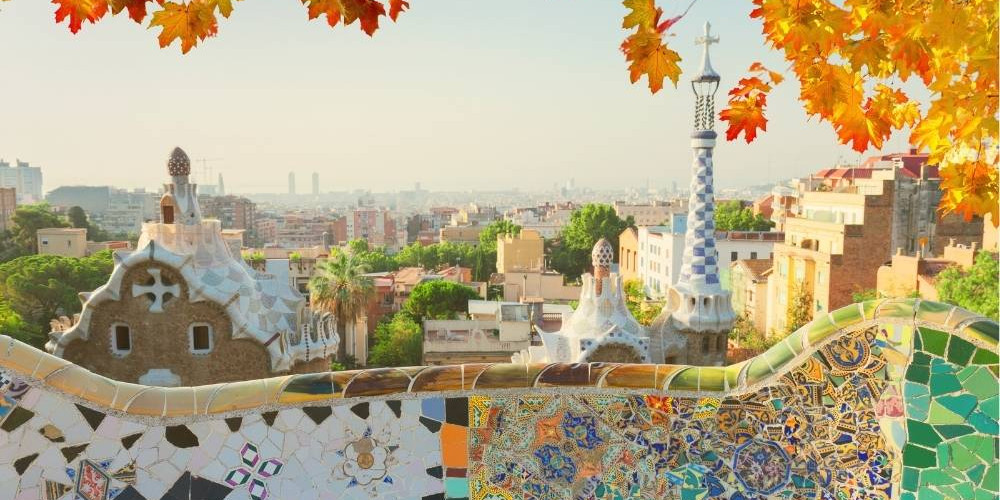
To turn a transit route into a destination, people need a place to sit. Avoid rigid, uncomfortable benches. Instead, opt for movable chairs, wide planters that double as seating, or tiered wooden platforms. Adding umbrellas, pergolas, or leafy trees is also crucial, especially in warmer climates like Barcelona, to ensure the space remains usable during the heat of the day.
3. Prioritize Multi-Use Programming
A street stays alive when there is a reason to be there. Practical programming might include weekly farmers’ markets, outdoor yoga classes, or small stages for local musicians. By keeping the schedule varied, the pedestrian zone remains a dynamic part of daily life rather than a static monument.
Case Study: The Barcelona Superblock Model
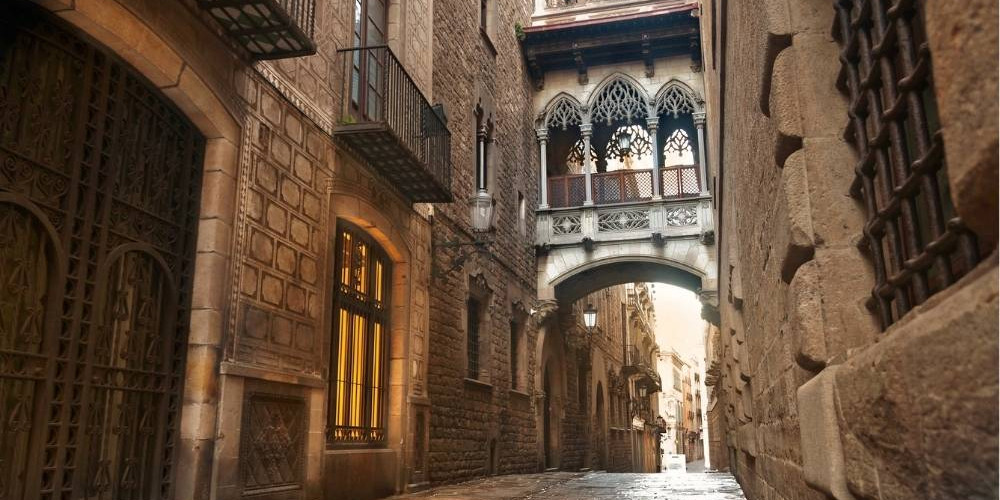
One of the most successful examples of reshaping the city experience is Barcelona’s ‘Superilles’ or Superblocks. This urban design strategy groups several city blocks together, restricting through-traffic to the perimeter and turning the internal streets into ‘citizen spaces.’
In these zones, the priority is given to pedestrians and cyclists. The results have been transformative: a significant increase in green space, a reduction in nitrogen dioxide levels, and a renewed sense of community pride. The Barcelona model proves that with practical planning and creative vision, even the most crowded cities can breathe again. It serves as a blueprint for urban centers worldwide looking to prioritize human well-being over vehicular efficiency.
Making the Transition Work
Transitioning a street into a creative pedestrian zone can sometimes meet resistance, often due to concerns about parking or traffic flow. To implement these changes successfully, it is important to take a practical, incremental approach. Many cities start with ‘tactical urbanism’—using temporary materials like paint, planters, and pop-up furniture to test the concept before committing to permanent infrastructure.
By gathering data on foot traffic and resident satisfaction during these trial periods, communities can see the benefits firsthand. This low-risk method allows for adjustments based on actual usage patterns, ensuring the final design truly serves the people who live there.
Conclusion: The Future of Urban Living
The modern city experience is no longer defined by how quickly we can get from point A to point B. Instead, it is defined by the quality of the moments we spend in between. Creative pedestrian zones are at the heart of this transformation. By blending practical urban design with artistic expression, we can turn our streets into vibrant, healthy, and inclusive spaces that foster a true sense of belonging. As we move forward, the goal is simple: to build cities that feel less like concrete jungles and more like home.