
The Aroma of Urban Transformation
Walk down any revitalized corridor in a modern metropolis, and the sensory experience is almost always anchored by a familiar scent: roasted beans and steamed milk. But to view the modern café as merely a site of caffeine consumption is to miss the profound architectural and social shift occurring right outside its doors. Coffee shop culture is no longer a peripheral amenity; it has become a primary architect of the contemporary streetscape, fundamentally altering how we move through, inhabit, and perceive our cities.
As our urban environments evolve from industrial hubs to centers of the experience economy, the café has stepped into a vacuum left by the decline of traditional community centers. It is the new ‘front porch’ of the city, a semi-public threshold that mediates the relationship between the private individual and the public square.
The Third Space and Sidewalk Permeability
Sociologist Ray Oldenburg famously coined the term ‘The Third Space’ to describe environments that are neither home nor work, but essential anchors of community life. In the context of 21st-century urbanism, the coffee shop has become the definitive third space. However, its influence has recently spilled over the literal threshold of the storefront.
Modern urban design now prioritizes ‘permeability’—the idea that the boundary between a building and the street should be fluid. Coffee shops lead this charge with floor-to-ceiling glass, folding garage-style doors, and expansive sidewalk seating. By blurring the line between the interior and the exterior, these businesses transform the sidewalk from a mere transit corridor into a destination. When people sit at a table on the pavement, they are not just customers; they are active participants in the life of the street, providing ‘eyes on the street’ that enhance neighborhood safety and vibrancy.
The Aesthetic of the Urban Living Room
The visual language of coffee culture has also dictated a new street-level aesthetic. We see a move away from the sterile, corporate facades of the late 20th century toward a more tactile, human-centric design. This shift often includes:
- Tactile Materials: The use of reclaimed wood, exposed brick, and wrought iron that invites touch and creates a sense of permanence.
- Urban Greenery: Many cafés take responsibility for the sidewalk in front of them, installing planters, vertical gardens, and benches that benefit all passersby, not just paying customers.
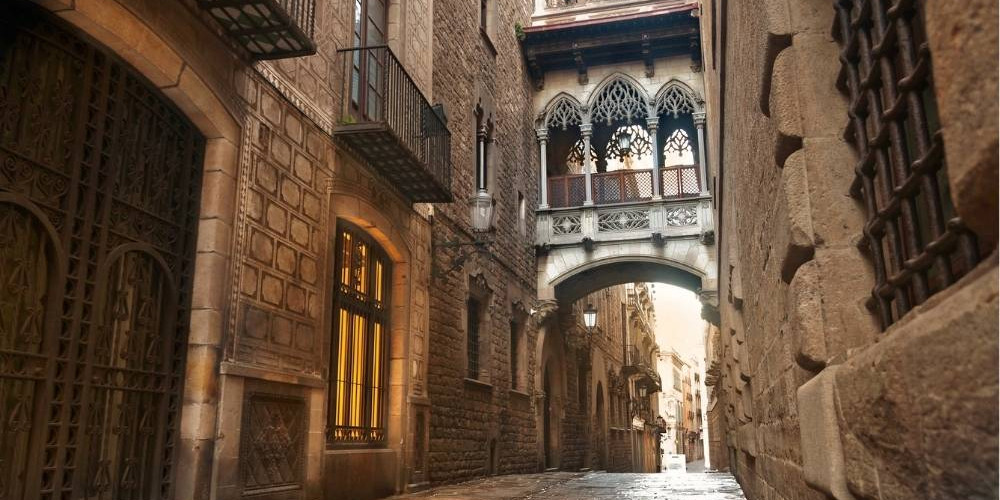
- Street Art Integration: As seen in the evolving neighborhoods of Barcelona and Berlin, coffee shops often serve as galleries for local muralists, turning side walls into landmarks.
Social Catalysts: Beyond the Caffeine Kick
The impact of coffee culture on street life is perhaps most visible in its role as a social catalyst. In an era where digital isolation is a growing concern, the physical presence of a café provides a space for ‘weak ties’—the low-stakes social interactions we have with baristas, neighbors, and regular patrons. These interactions are the glue of urban society.
Furthermore, the rise of the digital nomad has turned the street-side café into a decentralized office. While this brings challenges regarding table turnover, it also ensures that streets remain active throughout the day, rather than just during the morning rush or evening commute. This constant cycle of activity supports other local businesses, creating a micro-economy centered around the café’s presence.
The Digital Nomad Dilemma
However, the reshaping of the street isn’t without its tensions. As coffee shops become more popular as workspaces, designers are having to balance the needs of the laptop-user with the needs of the socialite. This has led to a new evolution in street furniture and layout, where ‘perch’ seating and outdoor standing bars encourage quick interactions, while interior ‘zones’ are carved out for deep work. This zoning reflects a sophisticated understanding of how diverse urban populations use the same space for different purposes.
Economic and Cultural Revitalization
There is a documented phenomenon often referred to as the ‘Coffee Shop Effect’ in urban planning. The opening of a specialty coffee shop is frequently the first sign of a neighborhood’s cultural and economic pivot. By investing in the aesthetic and social quality of a single block, these establishments can trigger a chain reaction of improvements.
- Increased Foot Traffic: A well-placed café generates consistent pedestrian flow, which in turn makes the street more attractive to other retailers.
- Property Value Shifts: The perceived ‘livability’ of a street increases when high-quality social spaces are within walking distance.
- Cultural Identity: Many cafés curate their music, art, and events to reflect the local neighborhood, helping to solidify a unique local identity in the face of global homogenization.
A New Vision for the Street
As we look toward the future of our cities, the lessons learned from coffee shop culture are being integrated into broader urban policy. Cities are increasingly adopting ‘parklets’—converting parking spaces into miniature public parks—inspired by the success of café sidewalk seating. The lesson is clear: the street is not just for cars; it is a place for human connection.
The coffee shop has proven that when we design for the human scale—focusing on comfort, aesthetics, and social opportunity—the street comes alive. It is a transformation that begins with a simple cup of coffee but ends with a more resilient, vibrant, and connected urban fabric. On the streets of Barcelona and beyond, the café remains the heartbeat of the modern city, one pour-over at a time.
Related Posts
How urban green spaces actually make the city feel more like home
Discover why urban green spaces are…
How Creative Pedestrian Zones Are Reshaping the Modern City Experience
Discover how creative pedestrian zones…